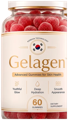
These are the thirteen nutrients declared for Gelagen. The amount of each is on the Supplement Facts panel of your jar. For most of them, benefits for skin, hair and nails are clearest in people who are deficient, so we describe them as nutritional ingredients and never as treatments.*
Gelagen1. Vitamin A
A fat-soluble vitamin for skin and vision. Vitamin A helps the body maintain normal vision, immune function and healthy skin cells. Sweet potatoes, carrots, spinach, eggs and dairy provide it.
GelagenIt is one of the vitamins most closely tied to normal skin cell turnover.
Good to know: Too much preformed vitamin A over time can be harmful, and high amounts are a concern in pregnancy. Check your total from all supplements and ask your doctor if you are pregnant.
2. Vitamin C
The vitamin the body needs to make collagen. Vitamin C is a water-soluble antioxidant, and the body needs it to build its own collagen. Citrus, berries, peppers and broccoli are rich in it. The Gelagen panel lists vitamin C and no collagen.
It is a common ingredient in skin-focused supplements.
Good to know: Large amounts can upset the stomach and raise the risk of kidney stones in some people. Ask your doctor if you have had kidney stones.
3. Vitamin D
The sunshine vitamin. Vitamin D helps the body absorb calcium and supports bone, muscle and immune function. Sunlight, fatty fish, eggs and fortified foods provide it.
Many adults have low levels, especially in winter.
Good to know: High supplemental amounts over time can raise blood calcium. Check your total from all supplements.
4. Vitamin E
A fat-soluble antioxidant. Vitamin E is an antioxidant that protects cell membranes. Nuts, seeds and vegetable oils provide it, and skin contains some naturally.
It is often included in skin and hair formulas.
Good to know: High amounts can add to the effect of blood thinners. Ask your doctor first if you take warfarin or similar medicine.
5. Vitamin B6
A B vitamin for protein metabolism. Vitamin B6 helps the body use protein and make neurotransmitters and red blood cells. Chickpeas, fish, poultry and potatoes provide it.
It is a standard ingredient in daily multivitamins.
Good to know: Long-term very high amounts can harm nerves, so count the B6 from all your supplements.
6. Vitamin B12
The B vitamin for blood cells and nerves. Vitamin B12 supports red blood cell formation and nerve function and works with folate. It comes from animal foods and fortified foods, so some vegetarians and older adults run low.
It is common in energy and general wellness gummies.
Good to know: B12 is generally well tolerated. Ask your doctor if you take metformin or acid-reducing medicine, since these can lower B12 levels.
7. Folate
The B vitamin for cell division. Folate, vitamin B9, helps the body make DNA and divide cells, including skin cells. Leafy greens, beans and citrus provide it.
It is important before and during pregnancy, and it is included in many daily formulas.
Good to know: Folate can mask the signs of a B12 deficiency, so ask your doctor if you have anemia or have been told your B12 is low.
8. Biotin
The B vitamin linked with hair, skin and nails. Biotin, vitamin B7, helps the body turn food into energy and is part of keratin metabolism. Eggs, nuts, seeds and salmon provide it.
Biotin is popular for hair, skin and nails, but evidence for benefit in people who are not deficient is limited. Real deficiency is uncommon.
Good to know: Biotin supplements can interfere with some blood tests, including heart attack (troponin) and thyroid tests, so tell your doctor and the lab you take it.
9. Pantothenic Acid
Vitamin B5. Pantothenic acid is needed to make coenzyme A, which takes part in energy metabolism and the making of fats. It is found in almost all foods.
It is a routine ingredient in B-complex and beauty formulas.
Good to know: It is generally well tolerated. Very high amounts can cause stomach upset.
10. Choline
A nutrient for cell membranes. Choline helps build cell membranes and supports liver function and nerve signaling. Eggs, meat, fish and soybeans provide it, and many people eat less than the recommended amount.
Gummies usually contain only a small share of the daily need.
Good to know: Very high amounts can cause a fishy body odor, sweating or low blood pressure.
11. Iodine
A trace mineral for the thyroid. Iodine is needed to make thyroid hormones, which influence metabolism, skin and hair. Seafood, dairy and iodized salt provide it.
Both too little and too much iodine can affect the thyroid.
Good to know: Ask your doctor first if you have a thyroid condition or take thyroid or antithyroid medicine.
12. Zinc
A trace mineral for skin and immunity. Zinc supports wound healing, immune function and normal skin. Shellfish, meat, beans and seeds provide it.
It is a common ingredient in skin, hair and immune formulas.
Good to know: Long-term high amounts can lower copper and cause nausea, and zinc can reduce absorption of some antibiotics. Check the total from all supplements.
13. Inositol
A sugar-like compound the body makes. Inositol is a sugar-like compound found in cell membranes and involved in cell signaling. The body makes it, and fruit, beans and grains contain some.
It is included in a number of beauty and hormone-balance products, and human research is limited.
Good to know: It is generally well tolerated, though larger amounts can cause stomach upset.
Also See
Label facts and the safety notes.
Nutrients by group.
*These statements have not been evaluated by the Food and Drug Administration. This product is not intended to diagnose, treat, cure or prevent any disease.